
Case Studies
Pre-sessional course: Springboard to new beginnings
by Ivan, Sofia, Isabella, Iwona and Polat – three sanctuary students and two teachers involved in the University of Glasgow’s Pre-sessional for ‘Access to HE’ Programme (n.b. only first names and/or pseudonyms have been used in this blog post)
Introduction
Pre-sessional success tends to be measured by its size, fees transferred to the institutional budgets, assessment results or the students’ progression rates to the degree programmes. Even when students’ views are sought, their individual voices are merged and awkwardly quantified into collective satisfaction numbers, seemingly saying much but reflecting only the heightened emotions at the end of very intensive summer months. Lost in these are the stories of how such educational encounters affect both students and their teachers after the pre-sessional ends. We wanted to take a different approach.
Below are five stories of three students: Ivan, Isabella and Polat, and two teachers: Iwona and Sofia, sharing their experience of a pre-sessional course in 2023.
The students joined the pre-sessional course to prepare for the Access to Higher Education Programme: a yearlong, online foundation programme offered by the Widening Participation at the University of Glasgow. It was a very diverse group of different ages, gender, sexuality, and ethnic, educational and linguistic backgrounds. At the time of the course, all students were seeking asylum in Scotland. Although the teachers had taught EAP for many years, they had limited expertise in teaching displaced students. For both the students and the teachers, the 2023 pre-sessional was an experience like no other, equally challenging as it was rewarding.
Encouraged to share our experience with the RefugEAP Network, the five of us met over a year later and used images to bring forth the memories (and emotions!) of Spring 2023. Afterwards we drafted our individual reflections in writing. We invite you to read our reflections and think about the images we chose to represent that important time for us.
What images would you choose to capture your experience of teaching and learning in Higher Education? Please share these in the comments if you can.
Ivan
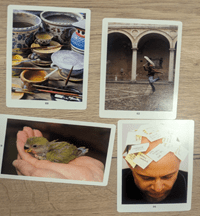
Getting an opportunity to return to Higher Education after over 25 years was both exciting and intimidating. After being away from the academic realm for so long, I was concerned about my capacity to meet the standards of Higher Education. However, the 2023 Access Pre-Sessional at the University of Glasgow was a transforming experience for me, providing not just academic preparation but also a fresh sense of confidence and purpose.
Accessing Higher Education in Scotland through this course was like opening a new door to possibilities I never imagined. It was more than simply an academic opportunity; it was a lifeline, an opportunity to reconstruct my life, and the start of a path of self-discovery and progress. The program’s structure was intelligently created to help students like me who were returning to school after a long absence. I was taught crucial academic skills, time management tactics, and effective study approaches, all of which were helpful in my return to the Higher Education environment.
One of the most profound components of my experience was the unwavering support I received throughout the program. The lecturers and support personnel at the University of Glasgow were very kind, patient, and supportive. They recognised the difficulties that adult students experience and provided an inclusive and loving environment in which I never felt alone. Whether it was one-on-one mentoring, peer support groups, or simply a reassuring discussion, someone was always accessible to assist me along the path.
Beyond academics, the session had a profound emotional and personal influence on me. It restored my confidence and rekindled my enthusiasm for learning. The sense of accomplishment I got after finishing the Access Pre-Sessional course was unparalleled—it confirmed that it is never too late to pursue one’s aspirations and personal development.
Now, as I embark on Higher Education with fresh zest, I bring with me the invaluable teachings and support I gained during this journey. The 2023 Access Pre-Sessional at the University of Glasgow was more than just an educational program; it was a springboard to new beginnings, a journey of empowerment, and a tribute to the power of persistence. I am extremely appreciative of this chance, and I am excited about the new pathways it has opened for me in the future.
Sofia
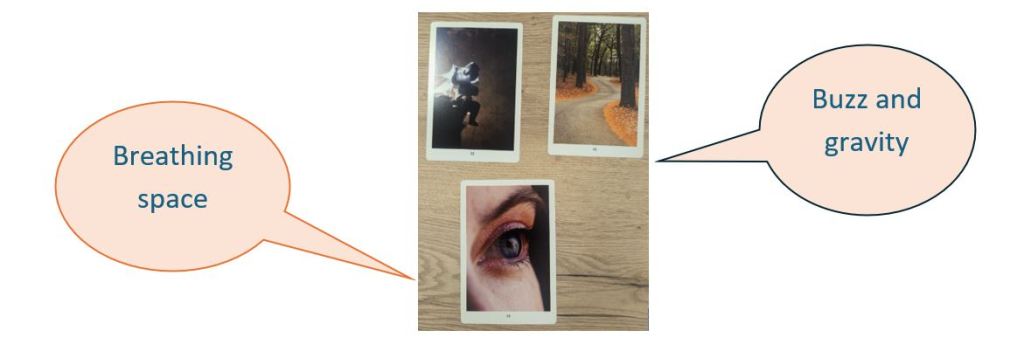
I remember walking past the computer cluster [on the induction day] and catching a glimpse of the students who’d gathered there, and I thought, Oh, these students are different – older, more mature, carrying their histories. There was a buzz in the air, but also a kind of gravity.
We settled into class that first week. The students were wonderful – energetic, eager, full of humour, asking questions all the time, interrupting at any point. It was dynamic but also overwhelming. Quite a few struggled with technology, email access and navigating Moodle [online learning platform] – downloading, saving and uploading documents was not straightforward. It took time away from the syllabus, but then I realised it was all a part of the learning process. During the one-to-one consultations, some shared their painful histories with me and at the end of the week, I walked away feeling profoundly fatigued.
In the second week, the energy shifted. We got into the nitty gritty of writing, and somehow that anchored me, and maybe it was the same for the students. We had something tangible to focus on – an essay task at the core of the skills we were covering. Some did well, while others struggled with academic reading and writing and I began to worry that this was too big a task for some.
By week three, I realised not all would be ready for their Access course and indeed, four students hadn’t made it. It was devastating for them, and for me too. I couldn’t let them fail and needed to give them a second chance, especially as the course was new and we were all finding our way through it.
Virtually overnight, I created a part-time extension course. We focused on reading and discussion first, unpacking texts and writing annotated bibliographies before the essay writing stage. It felt like it was working. The students were focused, engaged, productive. And in the end, they all made it. They progressed to the Access programme.
I felt an enormous sense of relief that they were on their way, and that I hadn’t stopped them from achieving their goal, for I realised that going onto Access meant more to them than just an opportunity to study. It gave them something to focus on. It was breathing space, something to look forward to, something to build a future around.
Isabella
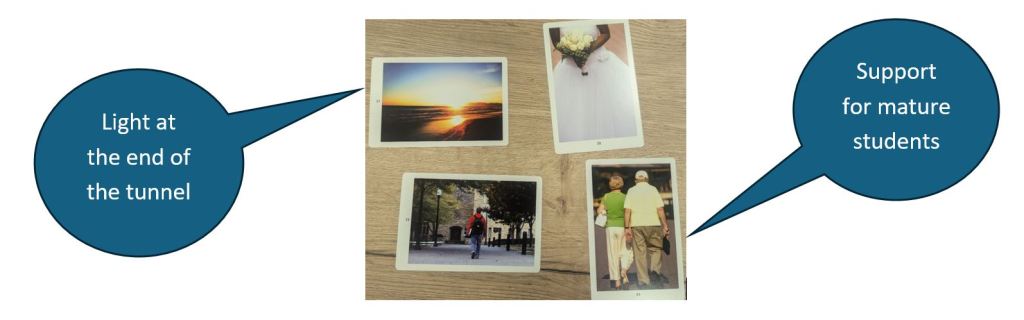
To be honest, I had no idea how much this pre-sessional course would change my life when the university offered me a spot. Opportunities like this frequently seem unattainable to someone from a less fortunate background. However, this course was different from the start, it was a beacon of light at the end of the tunnel for me as I was in a very dark place in my life.
The university has done something genuinely unique by providing this [Access] program exclusively for students from other countries and underprivileged communities. They are knocking down barriers and making education accessible to everyone, not just the affluent few. The [pre-sessional] course wasn’t just about passing assessments; it was about gaining skills that will genuinely help in the future, whether in employment, further education, or in the community. Every class felt like it was building a strong foundation for a better future.
My lecturer served as a mentor, supporter, and lifeline in addition to being a teacher. Thanks to her guidance, patience, and belief in me, I completed the course – something I never imagined possible. Her kindness, encouragement, and constant reassurance gave me the confidence to push through every challenge. Every interaction demonstrated her love of teaching and commitment to our success. Even when we were unable to recognise our own potential, she saw it in each of us. She went above and beyond to make sure no one felt left behind.
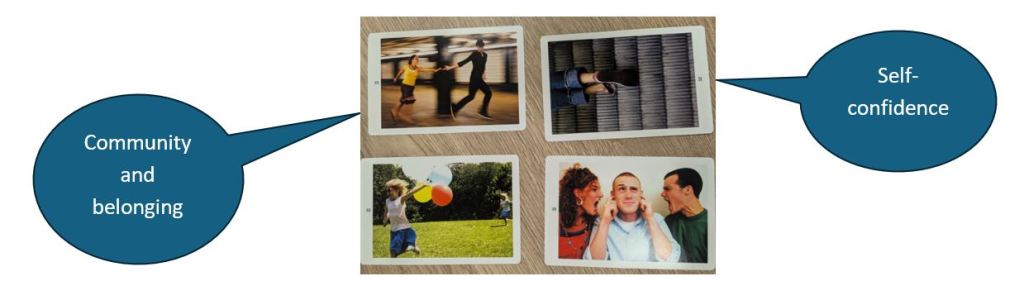
I gained something even more valuable from this course outside of the classroom: a sense of community. I felt accepted for the first time in a long time. I was recognised. I belonged to a group of people who encouraged one another and celebrated our differences. It was a secure environment where I could just be myself without having to justify myself. This opportunity has boosted my self-esteem, improved my abilities, and reminded me of my value. Instead of fear and uncertainty, I now view the future with excitement and hope. This course has opened doors, it has given me knowledge, confidence, and a new sense of direction. I now feel more prepared for the future, more capable, and more connected to the community around me. Most importantly, it gave me a sense of belonging a rare and beautiful feeling when you’re far from home and trying to find your place.
Iwona
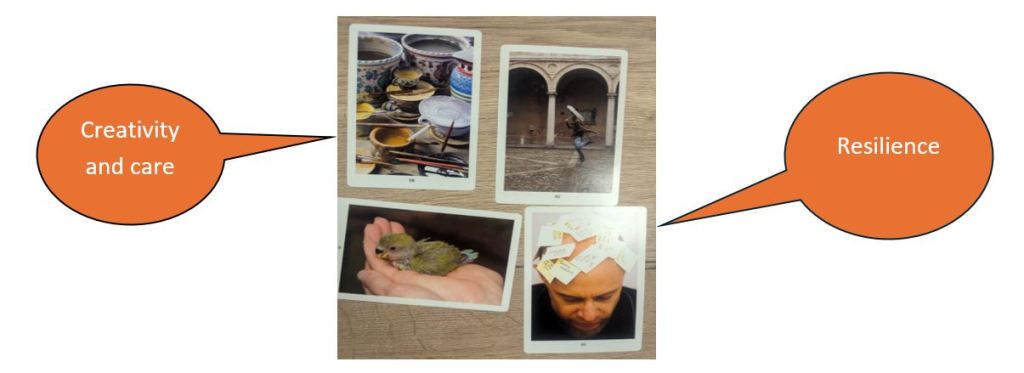
I was super excited when I first entered the induction room in May 2023. I was confident this unique collaboration between Widening Participation and EAP would be beneficial to the students and I had a great co-teacher. What could possibly go wrong? Little did I know how diverse my students would be in terms of their digital, linguistic, and literacy needs. By the end of that day, I felt utterly exhausted and realised I had much to learn.
True to this first impression, every day brought a new challenge I had not anticipated. Some students spoke English since birth while others learnt it at school or through YouTube; few had undergraduate degrees, most did not; many had caring responsibilities; some were confident in their goals, but (too) many were fearful of even hoping for a better life. One or two didn’t seem to want to be there at all. So many different stories. So many needs… Is it at all possible to offer what the students really need? And at what cost? I couldn’t do it without having Sofia sharing this experience with me. We supported one another. One day at a time.
One particularly difficult day, as I was brewing another coffee to keep me going, a thought came to me, which soon became my mantra: yes, everything is hard now, but surly every obstacle we face, every task we struggle with, every stressful assessment and a disappointing result in May would most likely happen anyway when the students begin their Access course in September. Despite all the challenges, academic and not, the students were making progress even if it sometimes looked different to what I was used to.
My students helped me see my role and my field in a new light. I realised that I was making a real difference, and for someone who has at times doubted whether teaching is the right career, this was (and still is) a very special gift for which I am deeply grateful. For this impact to be possible, strong allies are needed as universities are complex organisations and success requires a collective effort. The pre-sessional course for Access asylum-seeking students would not have been possible without colleagues in Widening Participation and the Sanctuary team, staff in the School of Modern Languages and Cultures both academic and administrative, and many others who helped the students and teachers along the way. This is everyone’s success story.
Polat
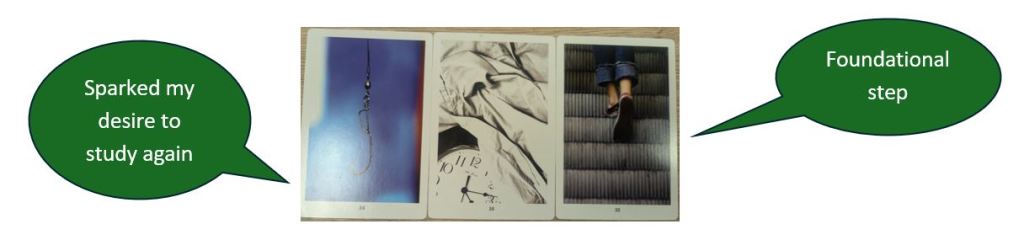
In 2023, I had the opportunity to take part in the Pre-sessional English course at the University of Glasgow, and it turned out to be an incredible journey for me on so many levels. It wasn’t just about learning English; it was about getting a real taste of university life in Scotland and understanding how the academic system works here. From discovering what life is like on campus to getting familiar with the various institutions at the University of Glasgow, the course was a true gateway into the university experience.
The course helped me in developing essential academic skills that I use every day now. It wasn’t just about improving my English. It also sharpened my academic writing, critical thinking, and research skills, while teaching me how to use them effectively in my studies. We also worked on presentations and explored various topics in-depth, which built my confidence in speaking and sharing ideas in an academic setting. All of these aspects of the course became invaluable as I transitioned into my studies at the University of Glasgow.
This course was like a hook for me to get the chance to come back to studying. It provided the foundation I needed to re-enter the academic world and build my confidence.
But the biggest takeaway for me was something even more personal. After being away from academic life for so long, the course sparked a strong desire in me to return to studying and push myself toward higher academic goals. It gave me the motivation I needed to think seriously about my future studies and to become an active and engaged participant in academic life. It rekindled that love for learning, which is something I thought I might have lost.
It was the first step in the further education stairs. Step by step, I was able to progress, and here I am today, continuing on this academic journey that once seemed so far away.
A huge part of this positive experience was thanks to the amazing administrative and teaching staff who were there with us every step of the way. Their dedication was remarkable. They provided us with continuous support, not only during the course but even afterward. They were always generous with their advice, assistance, and follow-up on our progress. They made sure we felt guided and encouraged, and that made all the difference.
I can confidently say that it is never too late to start studying; there is no age limit for learning.
Conclusion (but not the end)
True to Polat’s words, we would like to share our learning since 2023:
Ivan, Isabella and Polat, having completed the Access course, have now finished year 1 of the undergraduate course in Law (Ivan) and Nursing (Isabella) while in Polat’s case, a postgraduate programme in Human Rights.
Iwona and Sofia started a longitudinal research project tracking pre-sessional Access students through their studies. The findings have so far helped them create a bespoke course, making it even more relevant, better paced and more tailored to the needs of their students. The course runs in parallel to the main pre-sessional programme at the University of Glasgow. They continue learning about the needs of the displaced students with every iteration of the course.
Authors: Ivan, Sofia, Isabella, Iwona, Polat
Please note, we agreed to use only first names and/or pseudonyms for this blog post. If you’d like to hear more about this project and or work with sanctuary students/widening participation students at the University of Glasgow, feel free to contact Iwona and/or Sofia:
 RefugEAP Network
Leave a comment